




The Friend is a weekly magazine in which Friends speak to each other and to the wider world, offering their insight, ideas, news, nurture and inspiration.
Nurturing Quaker community, each issue offers a space for Friends to share their concerns, and to support each other in faith and witness.
The Friend: enriching, inspiring and connecting the Quaker community since 1843.
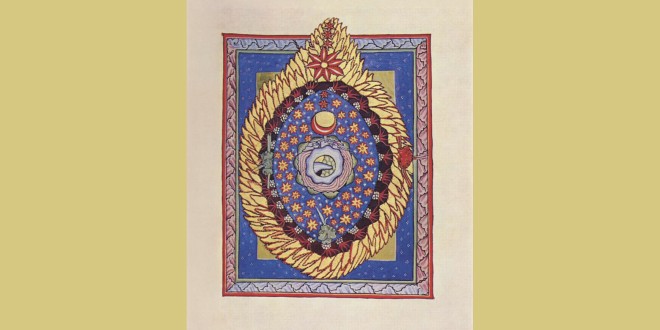
In all probability (because we have no way of knowing) what is known as ‘the perennial philosophy’ existed before time itself. Perhaps, when the earliest proto human being used his (or her) finger to attempt to draw a circle in the sand, they were trying to capture the mystery of the great unity. Throughout recorded time, it has emerged, often to be lost again in the confusion of ideas, like Melville’s whale breaching the surface then diving down again into the vast depths.

We need to talk about fascism. Not the fascism we learnt about at school, but the twenty-first century version. Most apparent in the US but also spreading ominously across Europe, fascism thrives on human insecurity and polarisation. It pushes its way up through the cracks in society. We don’t always notice it at first; we don’t want to notice it.

A recent exchange in the letters pages of the Friend began with a question about reparations. A Friend argued that a genuine apology must come from the person who committed a wrong to the person who was wronged. ‘History is history,’ he wrote, ‘and can’t be changed and should always be judged in its own time and not have today’s standards imposed on it.’ Rather than apologising for the past, he suggested, we should address the injustices of our own time.
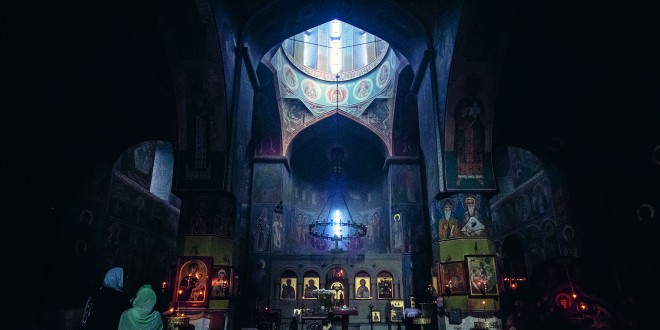
I worked out that, by the end of two weeks in Georgia I had visited the equivalent of a church a day. The Georgians are proud of their long Christian heritage, dating back to Nino’s missionary activity in the fourth century, so it is natural that churches and monasteries are highlighted in guidebooks as significant landmarks. The problem is that the churches do not see themselves as part of the heritage business, and tourists, with their inappropriate clothing and cameras, are a distraction.
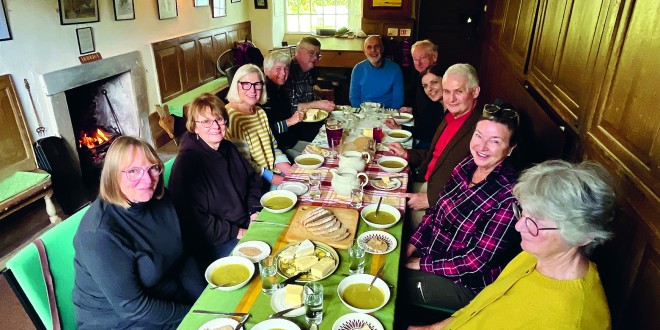
Quaker Week this year coincided with National Poetry Day. At Colthouse Meeting in the Lake District we decided to combine the two with a group reflection on six poems by or about Quakers. Facebook posts, leaflets and a notice in the parish magazine brought local Anglicans, Baptists and neighbours together with Friends. And the Cumbrian autumn surprised us with sun on the day.











Become a subscriber to enjoy unlimited access to our articles, dating back to 2009! Online subscribers get the Friend to their inbox each week, can comment on articles, and dive into our 1914-18 digital archive too!
Whether you are new to Quakerism or have been going to Meeting for years, you’ll find something here to inspire, inform and challenge you.
News | Views | Reviews
Written by and for Friends on the bench
Subscribe