




The Friend is a weekly magazine in which Friends speak to each other and to the wider world, offering their insight, ideas, news, nurture and inspiration.
Nurturing Quaker community, each issue offers a space for Friends to share their concerns, and to support each other in faith and witness.
The Friend: enriching, inspiring and connecting the Quaker community since 1843.

I imagine I was not alone in appreciating Jan Shimmins’s Thought for the Week (13 February). I too have found group mystical practices to be powerful, both in gathered Meetings for Worship, and in our Experiment with Light practice. My experience of such group practices, however, also includes deep openings and wisdom from within a number of non-Quaker settings, like the weekly half-hour silent meditation (opening with the recitation of ‘Be Still and Know that I am God’) in the church near me, and in various other forms of Christian, Buddhist and Sufi silent meditation practices.
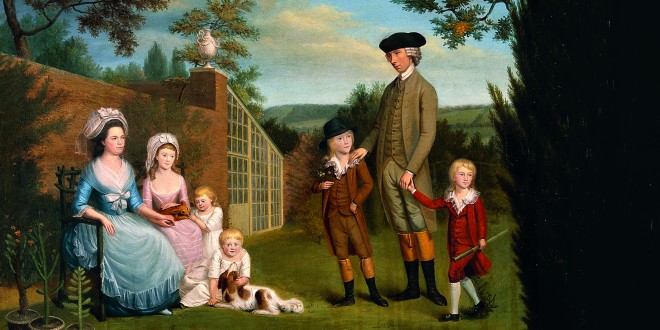
I discovered the Quaker physician John Coakley Lettsom (1744-1815) in Roy Porter’s book Enlightenment: Britain and the creation of the modern world. In a twenty-five page chapter on ‘The Culture of Science’, Porter devotes just under two and a half pages to Lettsom. To give this some context, the author covers Isaac Newton in fewer than five and a half pages. Who, then, was this Friend, who was over forty percent as important as Newton?
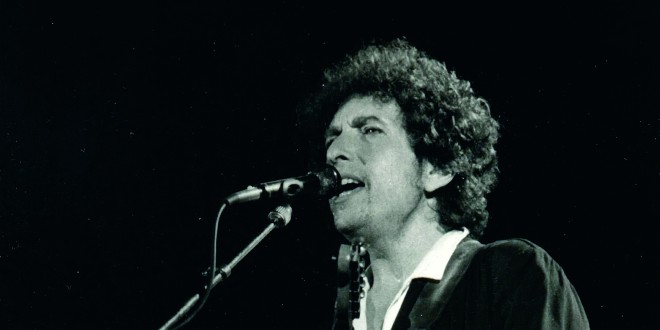
Sometimes the easiest entry point into a huge edifice is to go to the back door rather than taking in all the grandeur and bright lights of the foyer’s vaulted ceilings. At the end of the 1970s, Bob Dylan began recording and touring biblical material. All the huge abstracted masterpieces on which his reputation had been built were left blowin’ in the wind. Then, in 1985, there came a change in the weather pattern. Empire Burlesque contained big catchy harmony choruses and jive drummers. But there was also a postscript in the form of a plain, dimly lit corridor leading to a back-door goods yard, and one solo song, ‘Dark Eyes’, played on a scratched acoustic guitar. It’s a sparse compassionate portrait of a ‘street woman’; no religious references, no prayers, just this poor young woman without saviours, only brutal customers.

It’s hard to watch from afar as events unfold in Palestine, and it’s not easy to know how to help. So when an opportunity came last autumn to help someone in Gaza in a practical, life-changing way, we were drawn to it. She was a seventeen-year-old who had been offered a university place in Paris, and is now settled with a host family in Paris.
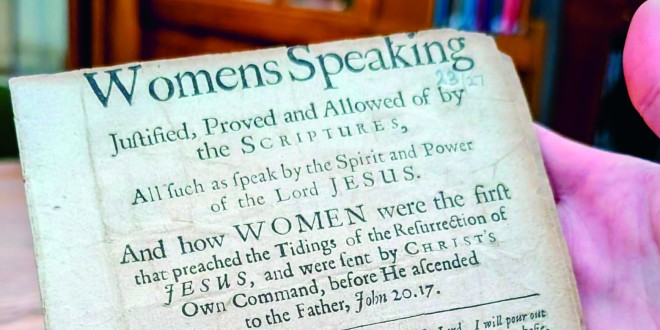
In modern Britain, the case for gender equity, including equal opportunity in leadership, feels obvious. In such a context, a Biblical argument might be dismissed as irrelevant. Right now though, it really is relevant, brought back into focus by the appointment of Sarah Mullally, the first ever female archbishop of Canterbury, who is due to be formally installed on 25 March.


We didn’t do a cultural round-up of 2025 but, if we had, this would have been my book of the year (it was published in paperback in May).











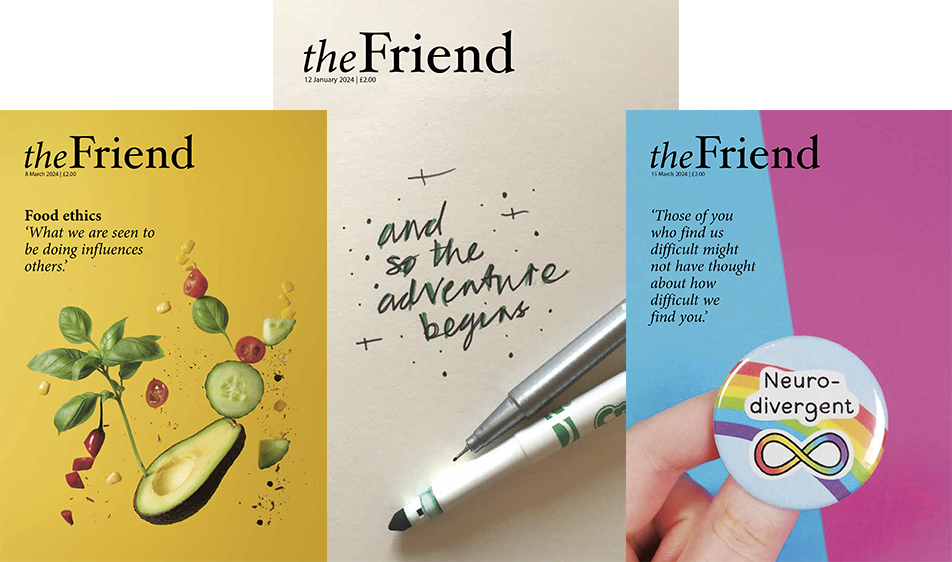
Become a subscriber to enjoy unlimited access to our articles, dating back to 2009! Online subscribers get the Friend to their inbox each week, can comment on articles, and dive into our 1914-18 digital archive too!
Whether you are new to Quakerism or have been going to Meeting for years, you’ll find something here to inspire, inform and challenge you.
News | Views | Reviews
Written by and for Friends on the bench
Subscribe